


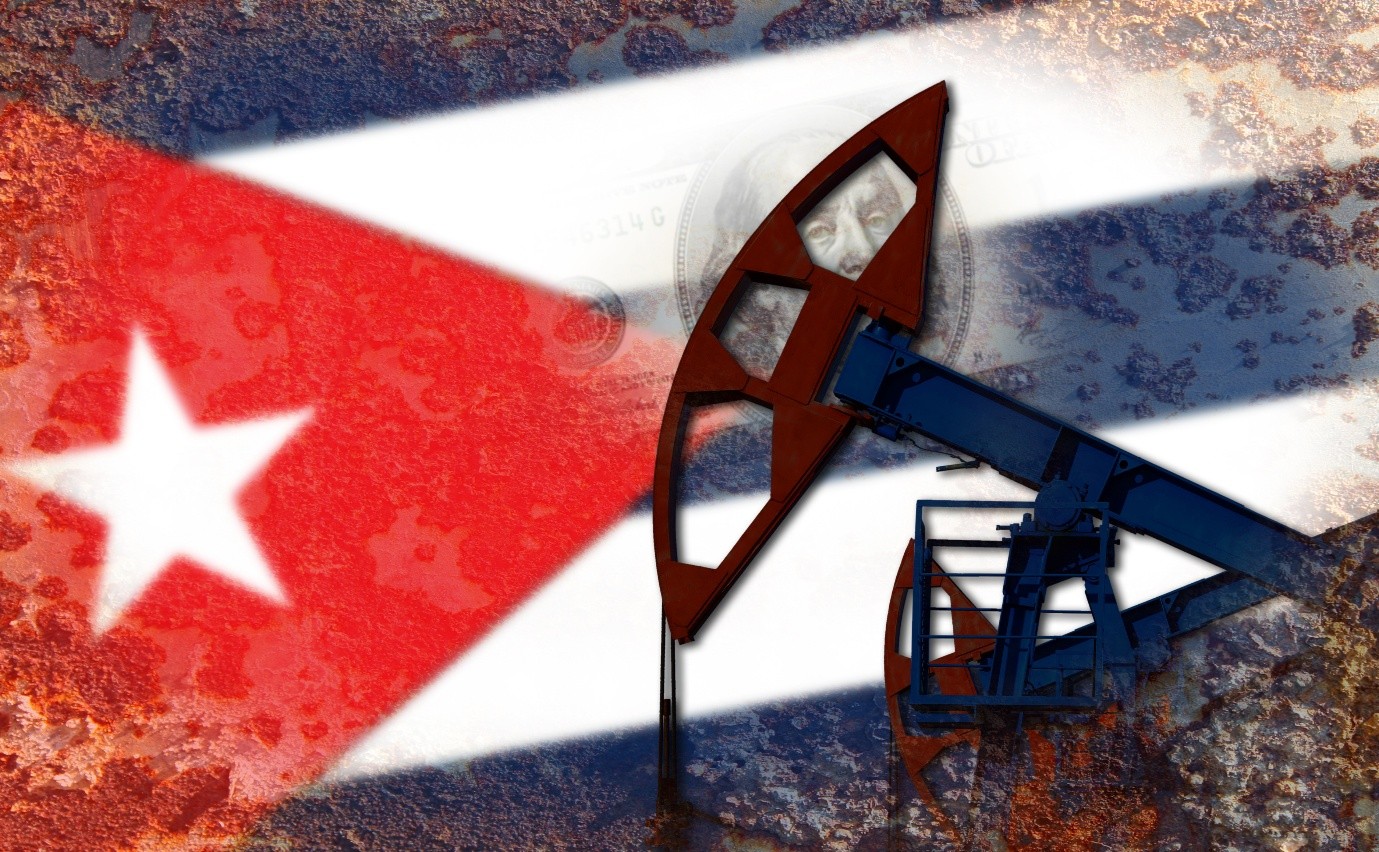
Cuba faces oil shortages even though it can produce its own oil, because of a U.S. trade embargo. This embargo was first introduced by President Eisenhower in 1960 following the Cuban Revolution, and it banned most exports to Cuba. President Kennedy expanded this during his term in 1962. President Obama eased restrictions on Cuba during his term in 2014, but this was reinforced under Donald Trump’s republican party during his first term, restricting foreign investment in energy infrastructure, international financing and fuel shipments. Donald Trump and his Republican party has now ramped up the pressure on Cuba in his second term under his “maximum pressure” strategy.
Cuba also suffers from aging infrastructure, again mostly due to the impact of the U.S. embargo. Cuba’s oil refineries, and power plants are very old and frequently break down.
Due to these Issues, Cuba’s oil production isn’t always able to cover its total national demand, leaving it partly dependent on subsidized imports from Mexico, Venezuela, and Russia, as well as its rapidly improving renewable energy infrastructure.
Cuba’s energy solutions in 2026
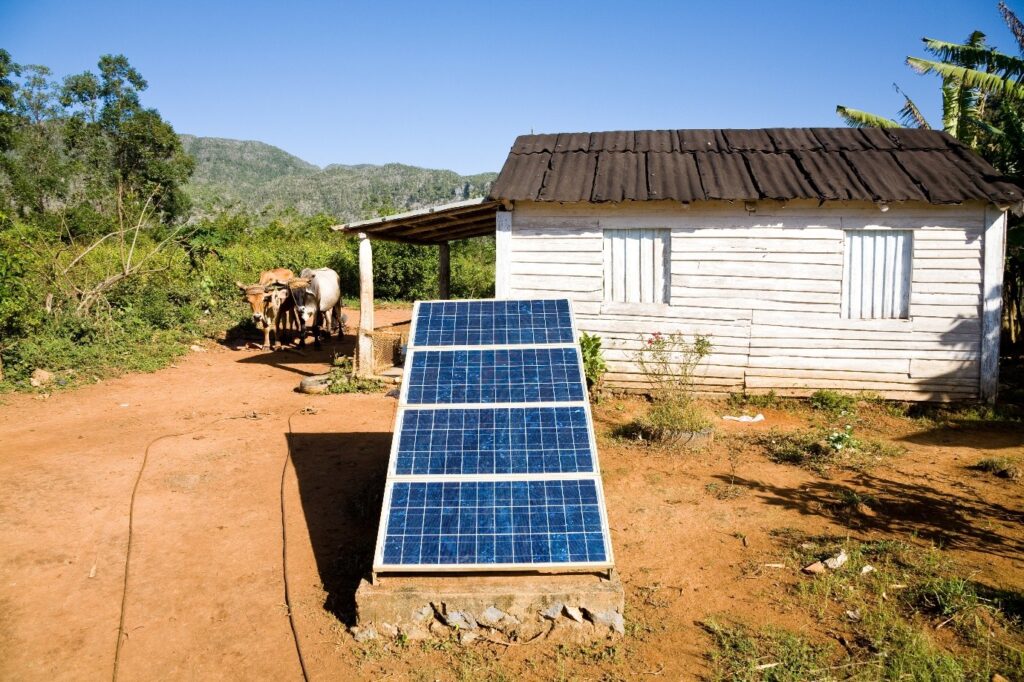
Cuba currently produces around 30,000 barrels of oil a day, and is quickly moving away from fossil fuels, investing heavily in renewable energy over the last 20 years. The country has seven large wind power farms across the Island, with plans in place for more, supported in part by China and the E.U.. Cuba is blessed with year round hot weather, so it makes sense that Cuba has invested heavily in Solar power, with help from China and Abu Dhabi. This has included the building of large solar parks across the Island. Many private homes, farms and restaurants, and most hotels have embraced the rush for renewable energy, and it is no longer unusual to see hybrid cars, and mini vans, mostly imported from China, on the streets of Havana and other major cities in Cuba, lessening its reliance on oil imports.
How has the U.S. trade embargo affected the Cuban population?
Cubans have always been resilient, unbowed by oppression, firstly from Spanish colonialists, and then from the corrupt Fulgencio Batista, a known puppet of the U.S. government and American Mafia, who ruled Cuba from 1933 to 1944 initially after being elected, before he seized power again in a coup in 1952 which ultimately led to the successful Cuban revolution in 1959, led by Fidel Castro. The U.S. trade embargo implemented in 1960, has since been expanded, and still in place to this day is estimated to have cost Cuba in the region of $1 trillion.
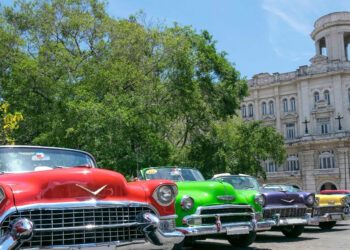
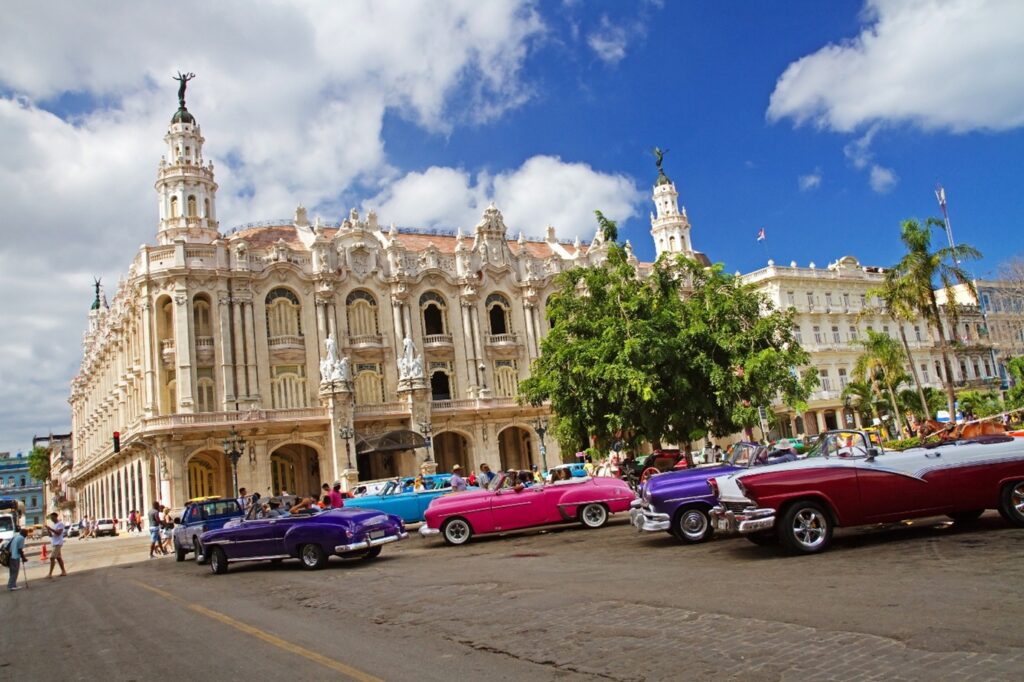
Cuba has managed to thrive in many ways, in spite of the embargo. It has a compulsory education system that offers free university education for all, and boasts one of the highest literacy rates in the world at 99.8%. Cuba has a free health care system, with a far lower infant mortality rate than the U.S. and the highest number of doctors to population rate in the world, at around 9.5 doctors per 1,000 people compared to around 2.6 doctors per 1,000 people in the U.S.. Cuba has developed global medical breakthroughs in vaccines and biotechnology despite its economic situation, including lung and other cancer vaccines. Cuban artists are renowned the world over, with many recycling materials which would be discarded elsewhere to create incredible works of art. Every street in Cuba is lined with classic cars from the 1950s, including Chevrolets and Buicks, which are a testament to Cuban ingenuity and improvisation.
How has the current Fuel shortages affected Cubans?
The current energy blockade from the U.S. affects most Cubans in one way or another. Energy must be conserved as much as possible. Schools and Universities are closing earlier, queues for petrol have increased, and bicycles are being used much more. Rural areas are subject to some local black outs, but major cities like Havana are not experiencing these. Hospitals are operating as normal and shops and restaurants remain stocked. Locals are pulling together as they always do in Cuba, and continue to offer tourists the same famously warm Cuban welcome.
Are the current Fuel shortages affecting holidays in Cuba?
Flights from the UK, and all over Europe are still operating, and hotels are operating normally (apart from smaller, lower standard hotels, which are not sold by Love Cuba) hotels, especially those built within the last 10 years fully optimise the use of Solar panels and other renewable energy sources. Hotels operated by the large chains like Melia, Iberostar, Blue Diamond and Gaviota also have their own generators, and fuel stores. Hotels remain well stocked with provisions set aside for a larger number of guests than are currently there. Tourist favourites like the Tropicana show, are operating their schedules, hotel transfers and excursions are operating normally, and most restaurants in cities like Havana are open and operating normally. Clients from the UK currently in Cuba are giving favourable feedback, noting improved hotel service and food options. The current FCDO does currently advise against all but essential travel to Cuba due to fuel shortages, However those clients who still wish to travel to Cuba can obtain travel insurance that will cover them in spite of the FCO guidance at reasonable rates from companies like High Risk Voyager.
Love Cuba is the UK’s leading Cuba holiday specialist. Click here for more information on Cuba holidays, Multi Centre Cuba Holidays or Tailor Made Cuba Holidays – please don’t hesitate to contact our friendly team of Cuba holiday specialists on 0207 071 3636 or email: enquiries@lovecuba.com today.