


If you’re heading to Cuba, forget the Spanish you may have learned in school for a second. The Spanish they speak on the island is fast, loud, and sounds like it’s been put through a blender, they drop their “s” sounds constantly and talk at 100mph.
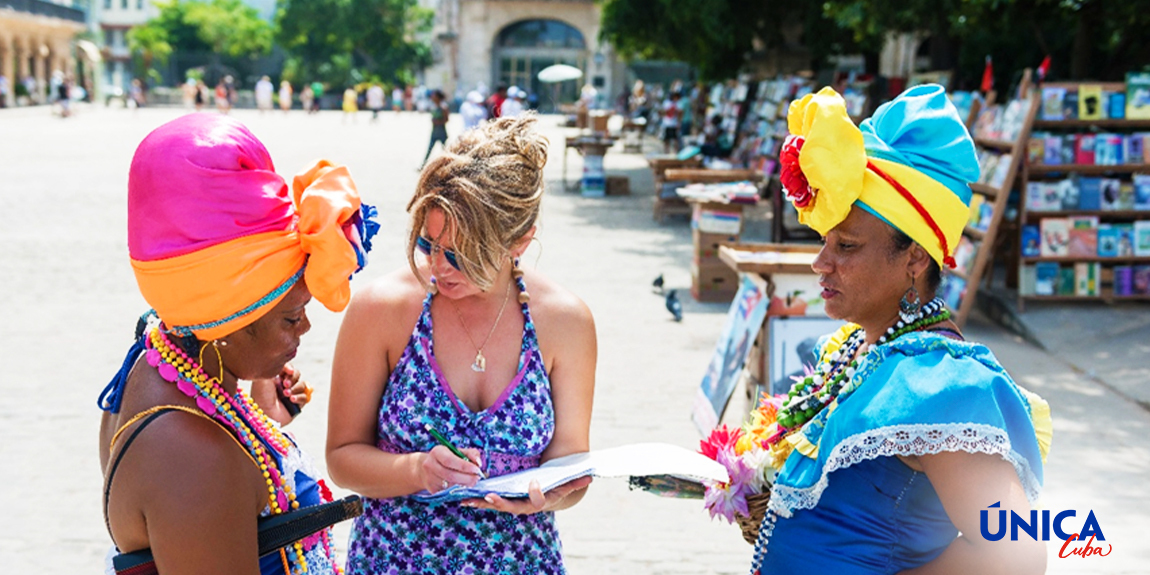
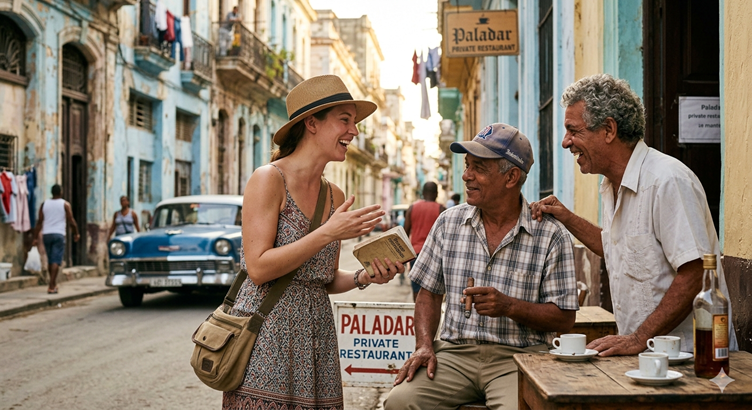
While you can get by easily with English in the big resorts, and cities, the real magic of Cuba happens when you’re crammed into a collectivo (shared taxi) or grabbing a street pizza. Making even a tiny effort to use local slang will get you a much warmer smile, and probably a better price on your souvenirs.
The Essentials
Everyone knows hola, gracias and por favor. But if you want to sound like you didn’t just step off a tour bus, start with these:
- ¿Qué bolá?: This is the “How’s it going?” of Cuba. It’s everywhere. If you’re feeling bold, pair it with Asere (which is basically “bro” or “mate”). Say “¿Qué bolá, asere?” to a taxi driver and watch his face light up.
- Dale: You’ll hear this fifty times a day. It means “Okay,” “Go for it,” or “Let’s do it.” If someone suggests another round of mojitos, just say “¡Dale!”
- La Guagua: In most of the world, a bus is an autobús. In Cuba, it’s a guagua. If you’re standing on a corner looking lost, ask someone where the guagua stop is.
Words to Watch Out For
Cuba has some specific terms for the “tourist economy” that are good to know:
- Yuma: This is you or me. It’s what they call foreigners (especially Americans or Europeans). It’s not an insult; it’s just a description.
- Jinetero / Jinetera: These are the hustlers. They’re usually friendly, but they’re trying to sell you cigars, rum, or a tour. Knowing the word helps you spot the “hustle” before it happens.
- Pinga: This is the “F-bomb” of Cuba. You will hear it used to express everything from “This is amazing!” to “I’m incredibly angry.” My advice? Don’t use it. It’s one of those words that sounds cool when a local says it but sounds awkward when a tourist tries it. Just listen for it; it’s part of the island’s soundtrack.
A Few “Street Rules”
- The disappearing “S”: Don’t be confused when “Gracias” sounds like “Gracia” or “Dos” sounds like “Do.” They aren’t being lazy; it’s just the accent.
- The “Price” Check: If you’re at a market and something feels pricey, don’t be afraid to say “Es muy caro” (It’s too expensive) or ask “¿Puede bajar el precio?” (Can you lower the price?). If your just browsing say “Solo estoy Mirando” (I’m just looking).
- Be Polite First: In Cuba, walking into a shop or a casa particular without saying “Buenos días” (Good morning) or “Buenas tardes” (Good afternoon) is considered pretty rude. A little courtesy goes a long way.
At the end of the day, don’t stress the grammar. Cubans are some of the most patient, talkative people you’ll ever meet. Even if you mess up the slang, the fact that you’re trying to speak Cubano and not just shouting English will make your trip ten times better.
Love Cuba is the UK’s leading Cuba holiday specialist. Click here for more information on Cuba holidays, Multi Centre Cuba Holidays or Tailor Made Cuba Holidays, please don’t hesitate to contact our friendly team of Cuba holiday specialists on 0207 071 3636 or email: enquiries@lovecuba.com today.