


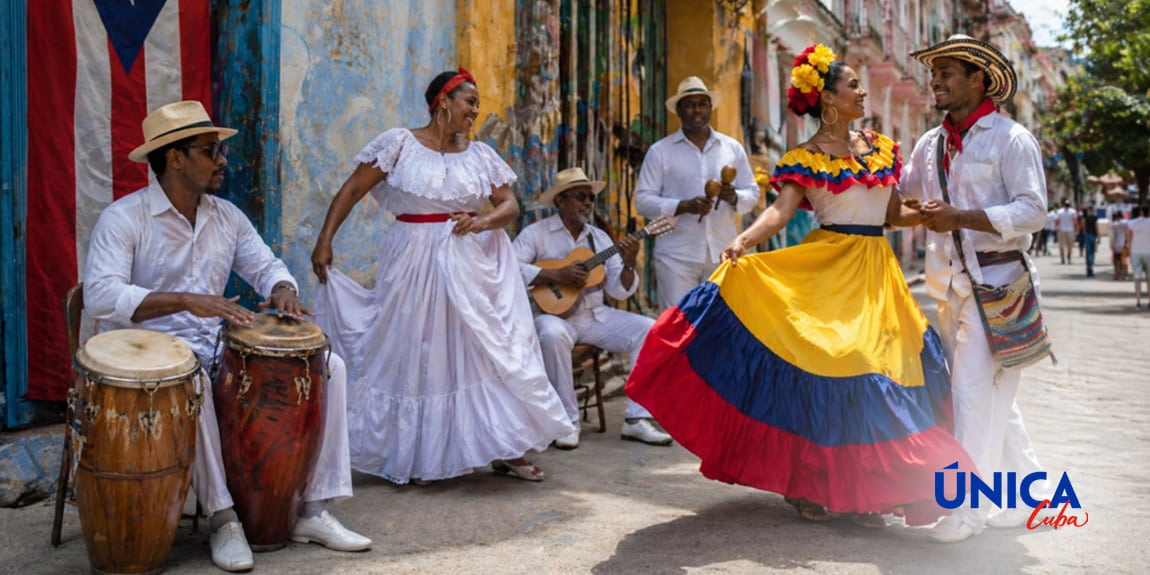
Dance is more than movement in the Caribbean, and Latin America, it is a living expression of history, identity, and cultural fusion. Nowhere is this more evident than in Cuba, Colombia, and Puerto Rico, where rhythm and storytelling intertwine to create distinct yet interconnected dance traditions. Exploring the dance heritage of these regions reveals a vibrant tapestry shaped by historical influences, each leaving a lasting imprint on the music and movement we see today.
Dedicated Dances by Destination
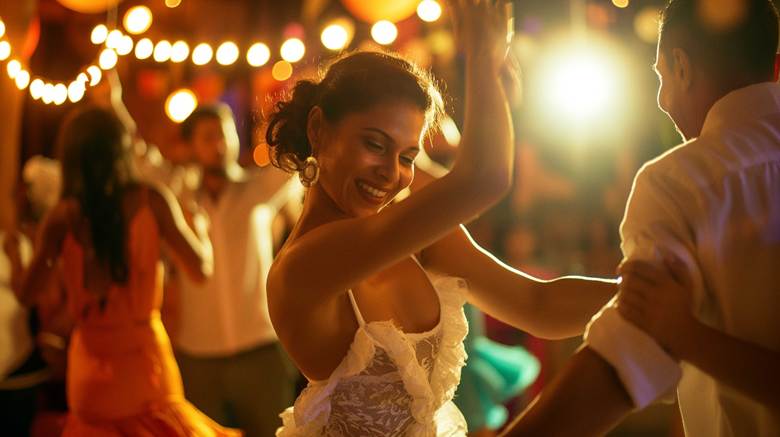
In Cuba, dance is deeply rooted in social connection and musical improvisation. Acting as a powerful expression of the island’s identity and community life, here, dance is not only a form of entertainment but also a means of storytelling used in many lively street celebrations, festivals, parades and formal performances. Cuba adopts popular styles like salsa and rumba, emphasising fluidity, intricate footwork, and a close connection between partners and musicians. The energy is spontaneous, often reflecting the lively street culture and communal spirit of the city.
In contrast, Colombia’s cumbia dance carries a more grounded, symbolic elegance. Originating from courtship rituals, cumbia blends African drum rhythms with Indigenous flutes and Spanish influences, resulting in a slower, circular dance marked by graceful steps and expressive storytelling.
Puerto Rico’s most popular hip-buster is the mambo, bringing a sharper, more off-beat rhythm to the dance floor. Known for its precision and dramatic flair, mambo highlights quick footwork and dynamic turns, often dancing “on the two” to accentuate the music’s structure. While it shares roots with Cuban musical traditions, Puerto Rican mambo has evolved into a style that emphasises technical skill and performance.
Exploring The Dance Heritage
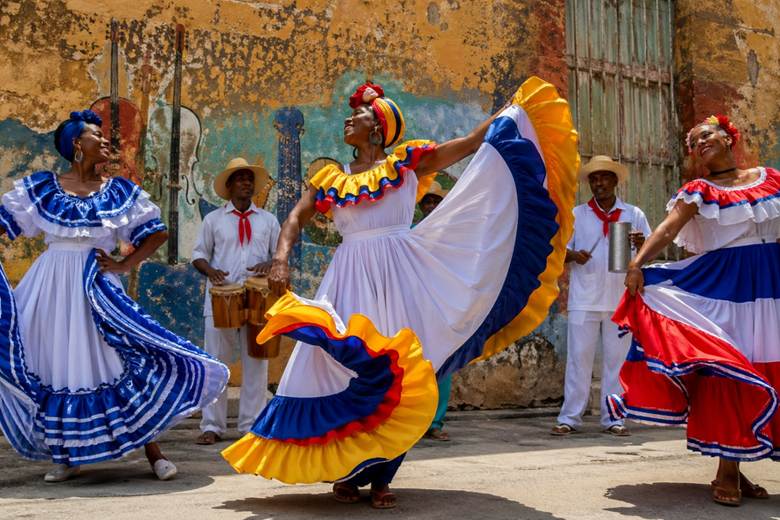
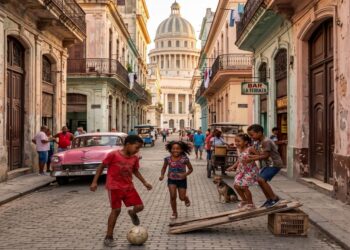
Cuba’s dance heritage is a vibrant reflection of its multicultural history, shaped by a blend of African rhythms, Spanish traditions, and Caribbean influences. Dance in Cuba is deeply social and often spontaneous, with styles like salsa, rumba, and son forming the backbone of its cultural identity. In iconic cities such as Havana, dance is not confined to studios or stages but rather thrives in the streets, homes, and at social gatherings – with music pulsating through the air. Cuban dance emphasises fluid movement, improvisation, and a strong connection between partners and live music – highlighting the importance of rhythm and expression in everyday life.
Colombia’s dance culture is equally rich, with cumbia standing out as one of its most iconic traditional styles. Originating from the country’s Caribbean coast, cumbia also represents a fusion of African, Indigenous, and Spanish elements. Traditionally performed as a courtship dance, it features graceful, circular movements, with women often holding candles and men performing subtle, rhythmic steps around them. Colombian dance heritage also includes a wide variety of regional styles, but cumbia remains a powerful symbol of national identity, storytelling, and historical blending.
Finally, Puerto Rico’s dance heritage reflects both its Caribbean roots and its close ties to broader Latin music traditions. One of its most recognised styles, mambo, is known for its sharp rhythms, fast footwork, and dramatic flair – so it pays to be nimble! Although mambo has origins linked to Cuban music, Puerto Rico played a major role in refining and popularising the dance, especially in performance and competitive settings. Dance in Puerto Rican culture often emphasises precision, tempo and expressive performance, showcasing the island’s passion for rhythm and artistic innovation.
While Cuba, Colombia and Puerto Rico all share vibrant dance traditions shaped by a fusion of cultural influences, Cuba’s dance heritage stands out for its deep integration into everyday social life. The vast abundance of dance in Cuba through its varied and social forms allows travellers to experience, and even take part, in their rhythmic social expression, making any trip one full of music and movement.
It’s abundantly clear these regions all place significant importance on dance within their respective cultures and use it as an integral way of expressing their identity. And, although they showcase differences in rhythm and technique, the unique cultural narratives they embody shine through. From the spirited streets of Havana and the folkloric traditions of Colombia to the polished stages of Puerto Rico, each dance tells its own story, one that continues to evolve while honouring its rich heritage.
If you’re a Happy Feet fan, you’ll be itching to give your dancing feet a whirl in any of these toe-tapping destinations…
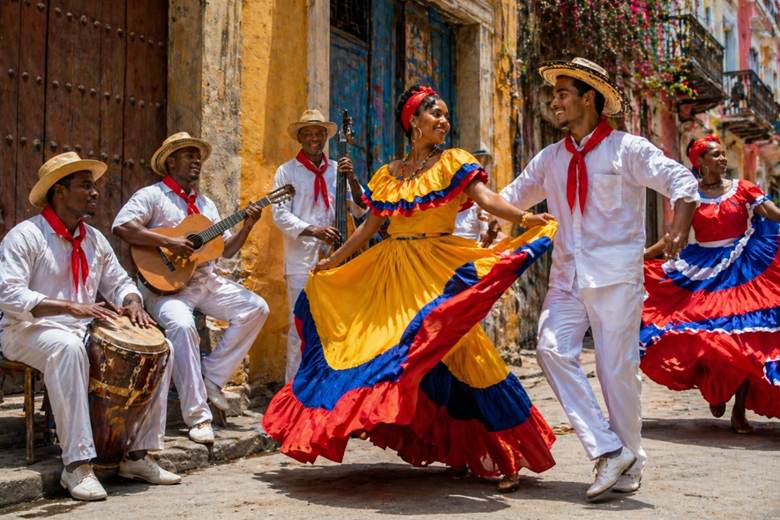
Love Cuba is the UK’s leading Cuba holiday specialist. Click here for more information on Cuba holidays, Multi Centre Cuba Holidays or Tailor Made Cuba Holidays, please don’t hesitate to contact our friendly team of Cuba holiday specialists on 0207 071 3636 or email: enquiries@lovecuba.com today.